

Thus, understanding your cravings, tracing their root cause, and arming yourself with effective coping methods could turn this seemingly rocky journey into a smoother path towards recovery. The duration of these cravings can differ from person to person, largely relying on factors like the severity of your addiction to alcohol, personal body chemistry, and diet. However, generally, these intense cravings tend to lessen over a few weeks or months as your body normalizes and the remnants of alcohol leave your system. The more you do “the work” the less you’ll need sugar or other external things. Moreover, starting your day with a glass or two of water can set a positive tone for your body’s hydration requirements. Ensuring you’re well hydrated before meals can also curb overeating and consequently, help manage sugar cravings.
- Understanding why recovering alcoholics often experience intense cravings for sugar is a complex topic.
- Discover the facts and statistics about psychosis, shedding light on its prevalence, causes, and treatment options.
- This reflects the focus on the mind-body connection, with food playing a significant role in the treatment process.
- Additionally, it has been found that sweet-cope can predict sugar consumption, sweet cravings, and even alcohol cravings at two different time points.
- Discover a comprehensive outline of treatments for drug abuse, from therapy to holistic approaches.
- Addiction is a chronic disorder with stages of intoxication, withdrawal, and preoccupation.
The Mental and Physical Effects of Heroin
Alcohol consumption increases dopamine release in the brain, leading to a craving for substances that can replicate or enhance these pleasurable effects, including sugary foods and beverages [3]. Psychological factors, such as sugar serving as a coping mechanism for managing emotional distress, also contribute to sugar cravings in individuals with AUD. People with AUD often struggle with controlling their alcohol intake and may turn to sugar as a substitute to regulate emotions why do alcoholics crave sugar and provide temporary comfort and pleasure. The consumption of sugar can create a similar sensation to the pleasurable effects experienced with alcohol. Understanding the components of sugar addiction and the neural adaptations that occur can shed light on why recovering alcoholics often experience cravings for sugar. By recognizing these factors, individuals in recovery can make informed decisions about managing their sugar intake and prioritize their overall well-being.
Plant-Based Diet: What you need to know about protein.

For individuals in recovery from alcoholism, cravings for sugar can be a common occurrence. Understanding the reasons behind these cravings is essential for managing them effectively and maintaining sobriety. In this section, we will explore the link between alcohol and sugar cravings, the similar neurological effects of alcohol and sugar, and the impact of alcohol on blood sugar levels. Understanding why recovering alcoholics crave sugar involves delving into the complex interplay of biological and psychological factors.
When it’s Time to Seek Mental Health Treatment
Liquid sugars from alcohol are quickly absorbed by the body, which may not be beneficial in preventing or treating low blood sugar that can occur hours after drinking. Preliminary studies have also observed increases in sugar consumption and sweet cravings in early recovery. For instance, a 37% increase in sugar consumption was reported from treatment entry to three weeks later alongside significant correlations between alcohol and sweet cravings. Addiction specialists and treatment centers highlight the importance of nutrition in recovery from alcohol addiction. They offer holistic treatment approaches that incorporate nutrition as a key component.
Research has shown that the consumption of both alcohol and sugar can stimulate these receptors, leading to a reward response [2]. This reward response can create a powerful craving for both substances. Alcohol, unlike protein, fat, or carbohydrates, does not require insulin to provide energy to the body. While wine and spirits are low in carbohydrates, sweet dessert wines can contain a significant amount of carbs.
What Makes Addiction Recovery a Challenging Process?
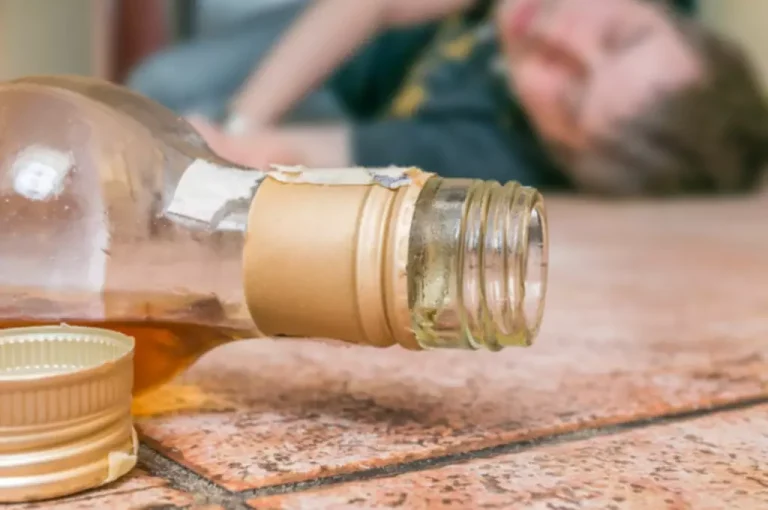
Alcohol addiction, also known as alcoholism, is a chronic disease characterized by the compulsive and uncontrollable consumption of alcohol despite negative consequences. It is a complex condition influenced by various factors, including genetic, environmental, and psychological elements. Alcohol addiction affects millions of individuals worldwide and can have severe physical, psychological, and social repercussions. Treatment for substance use disorders typically includes an element of relapse prevention where a person learns to identify and manage cravings and cues that precede cravings. For some misused substances, medications may be used to assist in reducing, minimizing, or eliminating cravings.
- Understanding these factors can help individuals in recovery better manage their sugar cravings.
- Research suggests that sugar addiction and alcoholism are closely intertwined.
- By addressing these factors, individuals can navigate their recovery journey with a greater understanding of the biological aspects influencing their sugar cravings.
- When alcohol is removed from their lives, individuals may seek alternative ways to soothe their emotions.
However, poor nutrition can lead to various mental and physical health issues, and weight gain can trigger low mood, potentially increasing the risk of relapse to alcohol [5]. During alcohol withdrawal, individuals often experience intense sugar cravings. This can be attributed to the way alcohol affects neurotransmitters and brain functions. Alcohol consumption can lead to decreased dopamine https://ecosoberhouse.com/ activity in the brain, which can contribute to feelings of pleasure and reward. When alcohol is removed, there is a decrease in dopamine levels, leading to a deficiency in the brain’s reward system. Recovering from alcoholism can be a challenging journey, and understanding the reasons why recovering alcoholics may turn to sugar can help in developing effective coping strategies.
We are visually recognizing our growth with a unified look that better reflects who we are today and the passion we have for helping everyone with their addiction and mental health recovery journeys. Embarking on the road to sobriety shouldn’t be a lonely endeavor, and managing any emerging sugar cravings isn’t an exception. Professional help goes beyond prescribing a diet plan—it also equips you with coping mechanisms and invaluable support during this transitional stage. Drinking herbal teas or having dark chocolate with a high cocoa content can also be beneficial in fighting sugar cravings.

By prioritizing nutrition, individuals can reduce the risk of developing a sugar addiction and improve their chances of a successful recovery journey. While it might be a relief to crave something else after quitting alcohol, sugar cravings must also be managed. It is important to focus on complex carbohydrates rather than simple sugars. Complex carbohydrates, found in foods like whole grains, legumes, and vegetables, are digested more slowly, resulting in a steadier release of glucose into the bloodstream. In summary, alcohol’s impact on blood sugar levels plays a crucial role in the sugar cravings often experienced by individuals with alcohol use disorders.
Biological Factors
Another psychological factor contributing to sugar cravings in recovering alcoholics is the use of sugar as a coping mechanism and substitution. Alcoholics often use alcohol to manage stress, escape negative emotions, or self-medicate underlying psychological issues. When they stop drinking, the need to find a substitute behavior can arise.